

Essential Nutrients for Men's Vitality
A balanced intake of vitamins and minerals is the cornerstone of male health. This guide is a comprehensive library of the essential nutrients that support energy, physical stamina, and mental clarity for an active lifestyle.
Building a Foundation for Daily Energy and Long-Term Balance
Every man's daily performance — from morning focus to evening recovery — depends on a steady supply of micronutrients that the body cannot manufacture on its own. This guide breaks down the specific vitamins and minerals that matter most for maintaining energy, supporting physical stamina, and keeping the nervous system sharp under pressure.
Each chapter covers what the nutrient does, where to find it in foods common to the Indonesian diet, and how it fits into a daily wellness routine. Use this library to compare what you eat against what your body needs, and to understand where a supplement can help close a genuine gap.
 Chapter 01
B-Vitamins: The Energy Catalysts
The B-vitamin complex — including B6, B12, and Folic Acid — is responsible for converting food into usable energy. These water-soluble nutrients keep the nervous system functioning under pressure and help reduce feelings of fatigue, which matters for men balancing long hours and demanding schedules.
Because the body does not store B-vitamins in significant amounts, daily intake from food or a consistent supplement routine is necessary. In the Indonesian diet, rich sources include tempeh, liver, eggs, mackerel, spinach, and fortified rice. This chapter explains how each B-vitamin contributes to daily energy and which local foods deliver the highest concentrations.
Converts food into cellular energy; supports nerve signaling
Tempeh, mackerel, eggs, spinach, brown rice
High-stress workdays, mental fatigue, endurance training
Magnesium for Muscle and Sleep
Magnesium participates in over 300 biochemical reactions in the body, with a particular emphasis on muscle function, nerve signaling, and relaxation. For men who train regularly or struggle to maintain a consistent sleep schedule, maintaining adequate magnesium intake supports physical recovery and helps the nervous system wind down at night.
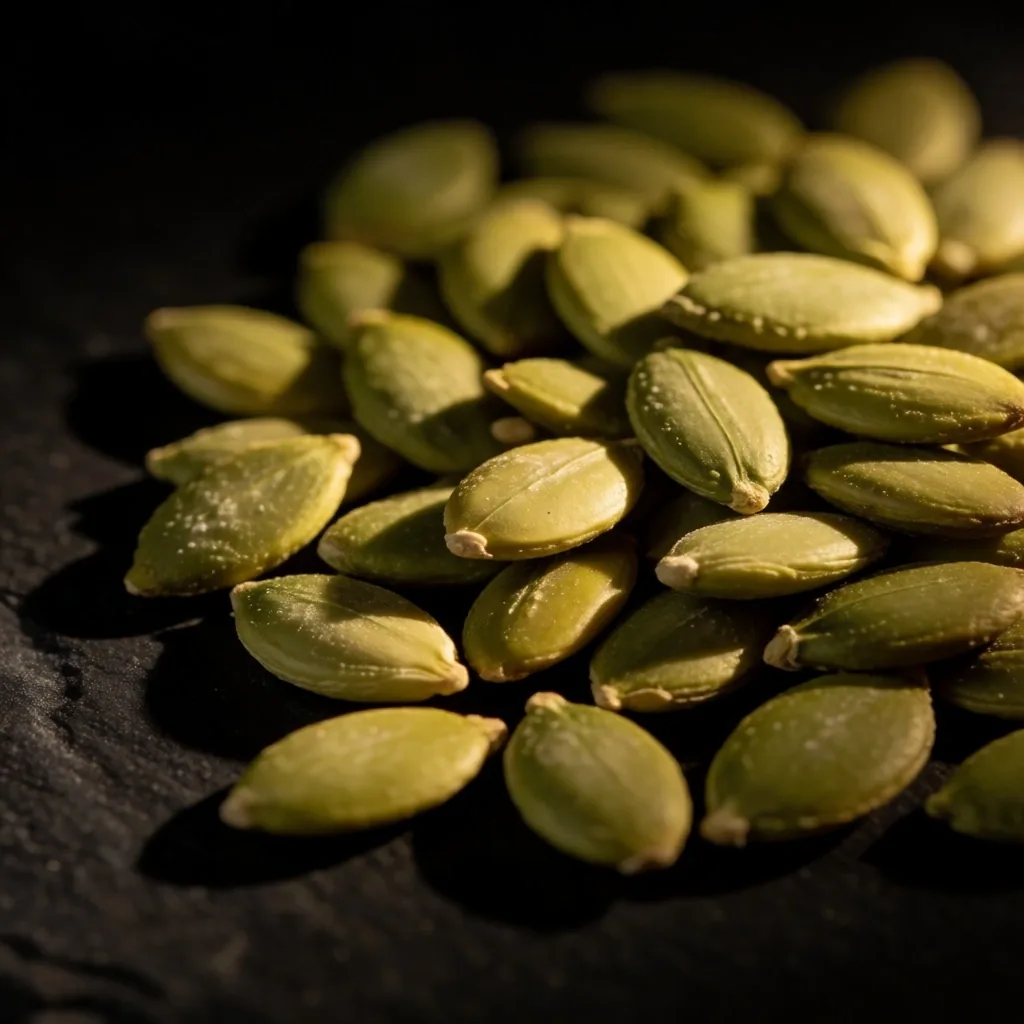
Not all magnesium forms behave the same way. Magnesium citrate and glycinate tend to be better absorbed, while magnesium oxide — common in cheap supplements — has lower bioavailability. This section covers the differences between forms, how they assist in recovery after exertion, and which local foods like pumpkin seeds, almonds, and dark chocolate offer reliable dietary amounts.
Muscle relaxation, nerve signaling, sleep regulation
Citrate and glycinate for absorption; oxide for lower cost
Post-workout recovery, evening wind-down, cramping
 Chapter 02
Zinc and Immune Support
Zinc is a trace mineral with a central role in cellular metabolism, protein production, and immune system resilience. For men, it supports the natural production of proteins and contributes to tissue repair after physical exertion. Maintaining adequate zinc levels matters for long-term stamina, and the mineral works in balance with copper — too much of one can deplete the other.
Oysters, beef, pumpkin seeds, and chickpeas are reliable dietary sources. We discuss why zinc bioavailability varies by food source, what happens when intake is consistently low, and how to avoid the common mistake of supplementing zinc without checking copper balance.
Vitamin D3: The Sunshine Nutrient
Despite living in a tropical climate, many urban professionals in Jakarta spend most of their daylight hours indoors, which can lead to lower-than-expected Vitamin D levels. This nutrient is essential for bone density, immune modulation, and maintaining a balanced mood. In practice, D3 functions more like a hormone than a vitamin — the body produces it in the skin in response to sunlight.
Fatty fish, egg yolks, and fortified foods provide modest dietary amounts, but direct sun exposure remains the primary source. We cover how much outdoor time is practical in an urban routine, what signs suggest low intake, and why D3 pairs with Vitamin K2 for proper calcium direction.

Omega-3 Fatty Acids for Heart and Brain
Found primarily in fish oils, Omega-3s are essential for maintaining cardiovascular health and cognitive function. They help manage the body's natural inflammatory response — a key factor for men with an active physical life.
Our guide highlights the importance of balancing Omega-3s with Omega-6s for optimal cellular health. Most modern diets already contain plenty of Omega-6 from vegetable oils; the practical gap is usually on the Omega-3 side. Local fish like mackerel, tuna, and sardines are among the richest natural sources available in Indonesia. For men who eat little fish, a quality marine-source supplement can help close the gap.
The Importance of Selenium
Selenium is a powerful antioxidant that protects cells from oxidative damage. Only needed in small amounts, its impact on long-term health is significant — particularly for men living in large metropolitan areas where environmental stressors are part of daily life.
This mineral supports thyroid function and helps the body manage oxidative stress from pollution, heat, and physical exertion. Brazil nuts, seafood, and eggs are dependable sources. We explore how selenium works alongside other antioxidants like Vitamin E and why more is not better — excess intake carries its own risks.
Vitamin C and Collagen Synthesis
Beyond its well-known role in immune health, Vitamin C is necessary for the production of collagen — the structural protein that supports joints, tendons, and skin. This is particularly relevant for men who engage in high-impact sports, heavy lifting, or endurance training.
Vitamin C also assists in the absorption of iron from plant-based foods, which matters for men following a predominantly plant-forward Indonesian diet. Guava, papaya, oranges, and red bell peppers are among the richest local sources. We detail how to time Vitamin C intake with meals for better iron absorption and how cooking affects Vitamin C content.
 Chapter 08
Potassium and Electrolyte Balance
For men living in the heat of Indonesia, maintaining electrolyte balance is a daily necessity. Potassium works alongside sodium to regulate fluid levels and support nerve signals throughout the body. When the balance shifts — often after heavy sweating or high-sodium meals — muscle cramps and sluggish energy can follow.
We explain the role of potassium in preventing cramps, supporting steady nerve function, and maintaining consistent energy during physical activity. Bananas, coconut water, sweet potatoes, and leafy greens are reliable everyday sources. This chapter also covers how to read your own intake signals and when to adjust based on training intensity and heat exposure.
Fluid balance, nerve signals, cramp prevention
Bananas, coconut water, sweet potatoes, spinach
Hot climate training, sweating, high-sodium diets
Questions on Using This Guide
Notes on how to apply this library to your daily routine, what to prioritize, and where to go next.
Should I get all these nutrients from food before considering a supplement?
Food should always be the foundation. Whole foods deliver nutrients in combinations the body recognizes, along with fiber and cofactors that isolated supplements cannot fully replicate. A supplement makes sense when a consistent dietary gap exists — for example, limited fish intake for Omega-3s, or limited sun exposure for Vitamin D3. Use this guide to identify your real gaps before adding anything.
Which nutrients matter most for daily energy?
The B-vitamin complex is the most directly tied to converting food into usable energy. Magnesium and potassium support sustained nerve and muscle function, which affects how energy feels across the day. Vitamin D3 and iron — covered in relation to Vitamin C — also influence whether you feel consistently alert or run down over weeks.
Can I take all of these together at the same time?
Most can be taken together without issue, but a few pairings need attention. Zinc and copper compete for absorption, so balance matters. Vitamin C improves iron uptake from plant foods, so pairing them at meals is practical. Magnesium is often better in the evening for its relaxing effect, while B-vitamins tend to support daytime energy. Read the relevant chapter for each nutrient before building your routine.
Where can I learn about how Nusa Shakti evaluates supplement quality?
Our Selection Methodology page explains the criteria we use to assess ingredient integrity, sourcing, and formulation transparency. For specific ingredient profiles, visit the Ingredient Analysis page.
Take these nutrients from theory to daily practice
This guide covers what each nutrient does and where to find it. The next step is putting that into a workable routine — informed by ingredient quality and the realities of an active lifestyle in Indonesia.
Jl. Pantai Indah Kapuk, Kamal Muara, Penjaringan, Jakarta Utara, 14470