
Analysis of Natural Ingredients and Botanicals
The efficacy of any wellness product depends entirely on its ingredients. We provide a detailed look at the herbal extracts and botanical compounds most commonly found in men's vitality supplements — their origins, traditional uses, and intended benefits, demystified.
Transparency Over Hype
Every wellness product lives or dies by what is actually inside the container. Yet most supplement marketing obscures the botanical facts behind vague promises. At Nusa Shakti, our editorial standard is simple: if an ingredient deserves to be in a formula, it deserves to be understood.
We trace each compound to its botanical origin, examine the traditional context behind its use, and describe the active phytonutrients that give it its character. Where the science is thin, we say so. Where the tradition is rich, we share it. The result is a grounded reference you can use to evaluate any men's vitality supplement on its merits.
Botanical extracts and herbal compounds commonly formulated in men's wellness supplements.
Each entry covers origin, traditional context, active compounds, and practical role in a daily routine.
Informational only — not a substitute for professional guidance. See our FAQ for details.
Eight Botanicals, Examined
From root tonics to high-altitude adaptogens, each entry below covers what the ingredient is, where it comes from, and why it appears in wellness formulations for men.

Ginseng: The Traditional Tonic
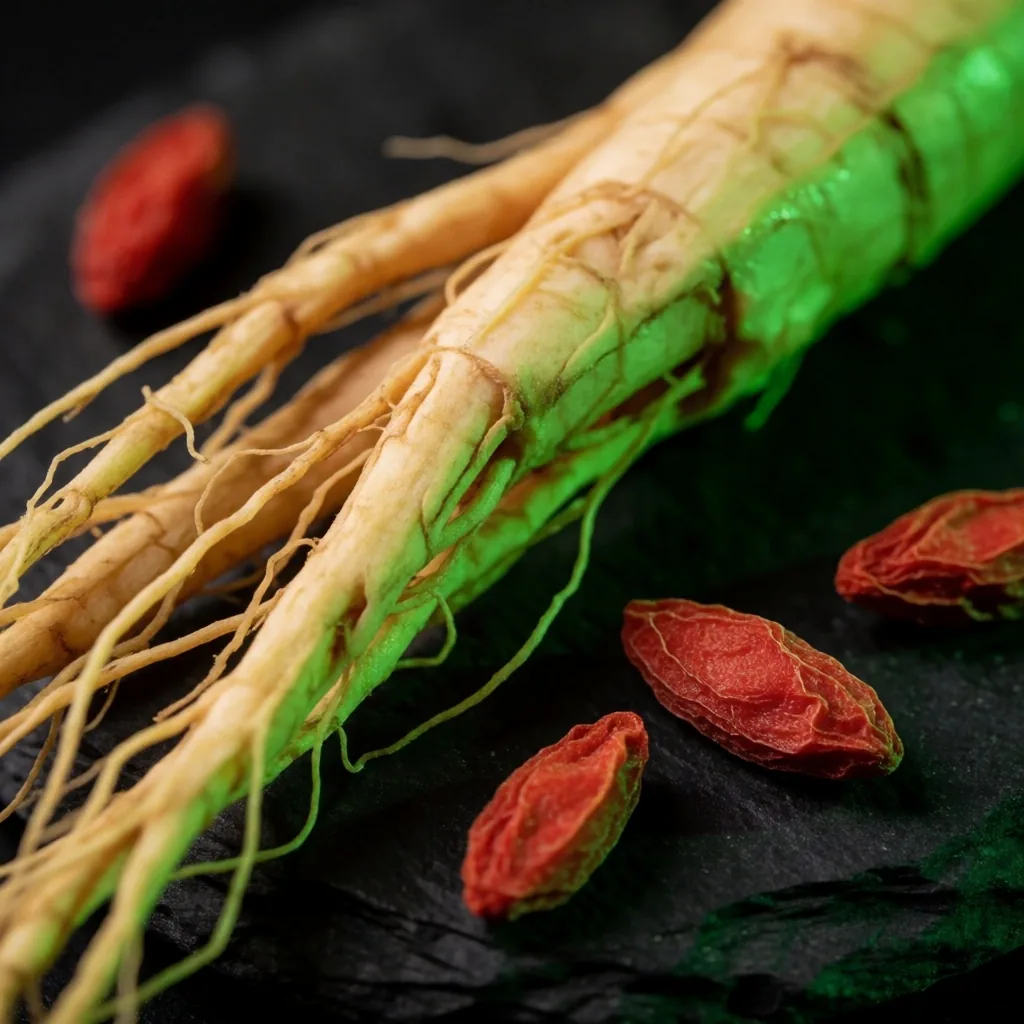
Ginseng has been used in Asian wellness traditions for centuries to support stamina and cognitive focus. The root's reputation as a general tonic spans Korean, Chinese, and Southeastern herbal practice, where it was prepared as a daily decoction for men maintaining physical and mental output.
We analyze the differences between Panax ginseng (Asian) and American ginseng varieties, their respective roles in energy support, and how the active compounds called ginsenosides interact with the body's natural systems. The ginsenoside profile varies between species and growing conditions, which is why sourcing matters when comparing supplements.
Ginsenosides (panaxadiols and panaxatriols) — the primary phytochemicals responsible for ginseng's adaptogenic character.

Tribulus Terrestris Insights
Commonly found in many wellness formulations, Tribulus Terrestris is a plant extract often associated with physical performance. Its small spiky fruits have been used in Ayurvedic and traditional Southeast Asian practice for generations, typically prepared as a tonic for general vigor.
We provide a grounded look at what this botanical actually does, focusing on its role in supporting general vitality rather than the exaggerated claims that surround it. Our analysis avoids the hype and examines the actual nutritional profile of the plant — steroidal saponins, flavonoids, and alkaloids that contribute to its character as a dietary supplement ingredient.
Understanding what Tribulus is not is as important as understanding what it is. The plant's reputation often outruns the evidence, and our aim is to present the compound honestly so readers can judge its place in a supplement stack on their own terms.
Maca Root from the Andes
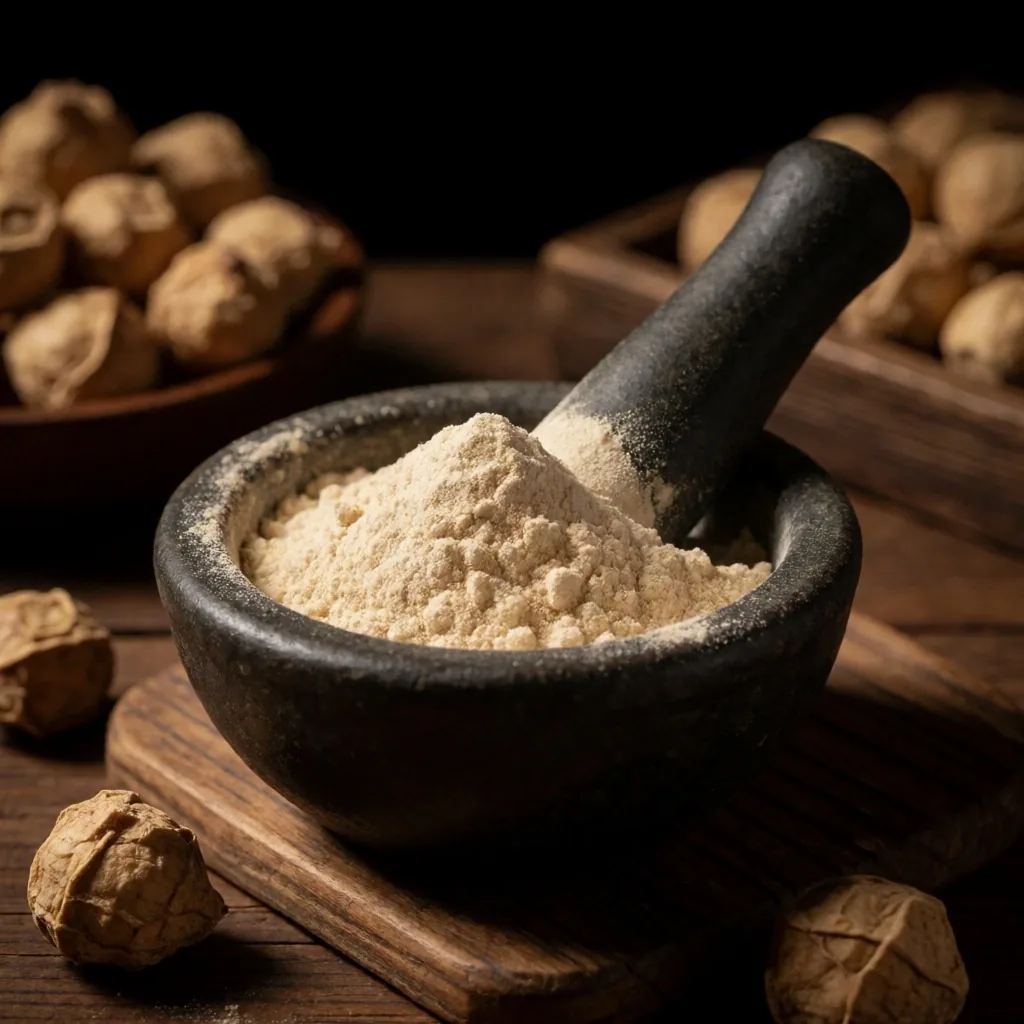
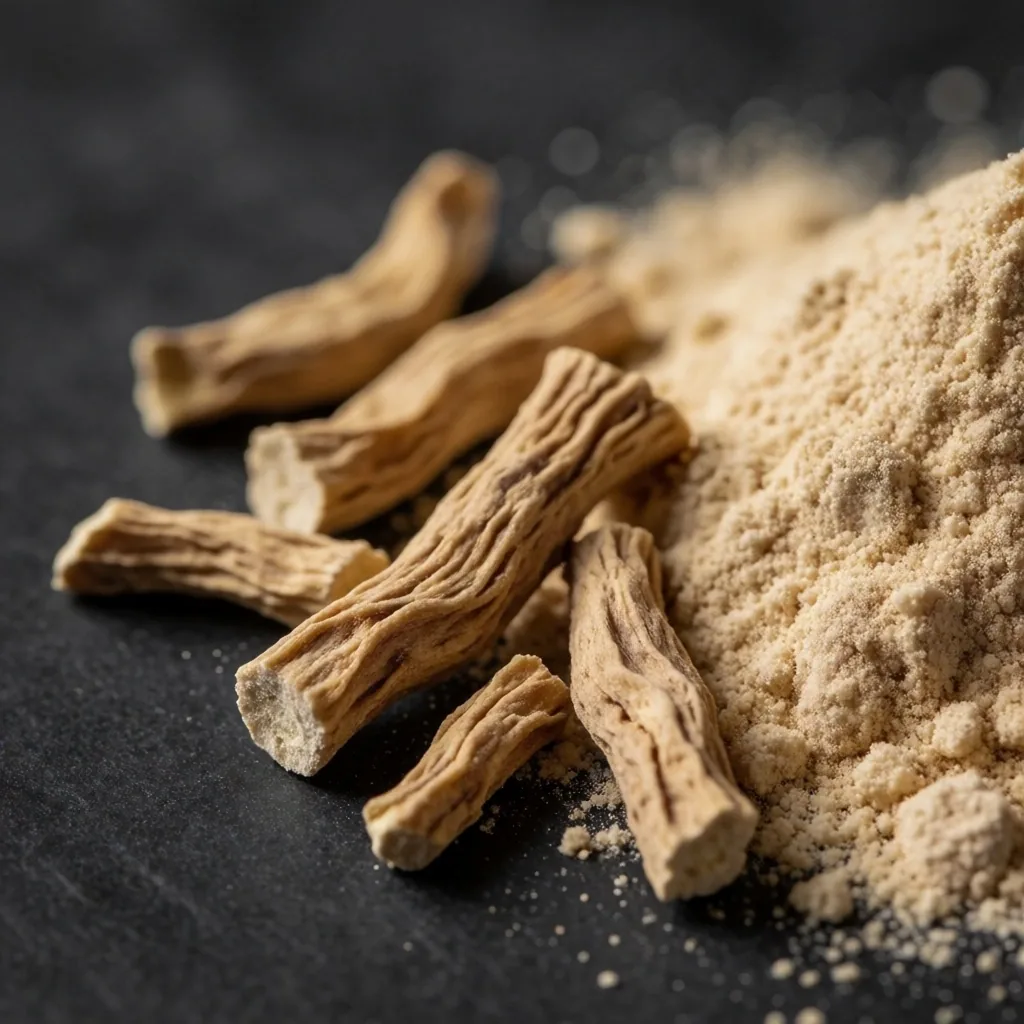
Maca is a cruciferous vegetable native to the high altitudes of the Andes mountains in Peru, now popular worldwide for its adaptogenic properties. It grows where few other cultivated plants survive — above 4,000 meters — and its dense, turnip-shaped root has been a dietary staple for Andean communities for over two thousand years.
Unlike stimulants, maca is known for supporting endurance and mood balance without the jitters. Its nutritional profile includes glucosinolates, polyphenols, and alkaloids that contribute to a steady, non-stimulant sense of energy. We discuss how maca can be incorporated into a daily routine as a natural way to bolster energy levels — typically as a gelatinized powder added to smoothies or morning oats.
High-altitude Andean plateaus, Peru
Gelatinized powder, raw flour, or liquid extract
Ashwagandha and Stress Adaptation
As one of the most studied adaptogens, Ashwagandha helps the body manage the physical manifestations of stress. The root — and to a lesser extent the leaves — contain withanolides, compounds that interact with the body's stress-response pathways in ways that have been documented across both traditional Ayurvedic practice and contemporary research literature.
We explore its role in supporting the adrenal system and promoting a sense of calm during a busy workday. For men navigating demanding schedules — long hours, disrupted sleep, constant cognitive load — ashwagandha offers a grounded approach to maintaining equilibrium rather than reaching for another stimulant.
This ingredient is a staple for men looking to maintain balance in a high-pressure environment, and its long history of traditional use in South Asian wellness practice gives it a depth of cultural context that few adaptogens can match.
Fenugreek for Metabolic Support
Fenugreek is more than just a culinary herb. Its amber-colored seeds are packed with dietary fibers and compounds that support healthy digestion and metabolism. In traditional Indonesian cooking, fenugreek appears in spice pastes and herbal drinks — a quiet kitchen staple that also has a long history in regional wellness practice.
We examine how fenugreek extracts are used in supplements to support physical strength and energy levels. The seeds contain steroidal saponins — particularly diosgenin — alongside soluble fiber galactomannan, which together give fenugreek its distinctive nutritional profile. These compounds are the reason the plant appears in men's wellness formulas that target metabolic function and sustained physical output.
Our analysis covers the traditional Indonesian and South Asian uses of this versatile plant, tracing its journey from kitchen cabinet to dietary supplement capsule — and explaining what the extraction process does to concentrate the active compounds in a way that raw seeds alone cannot match.
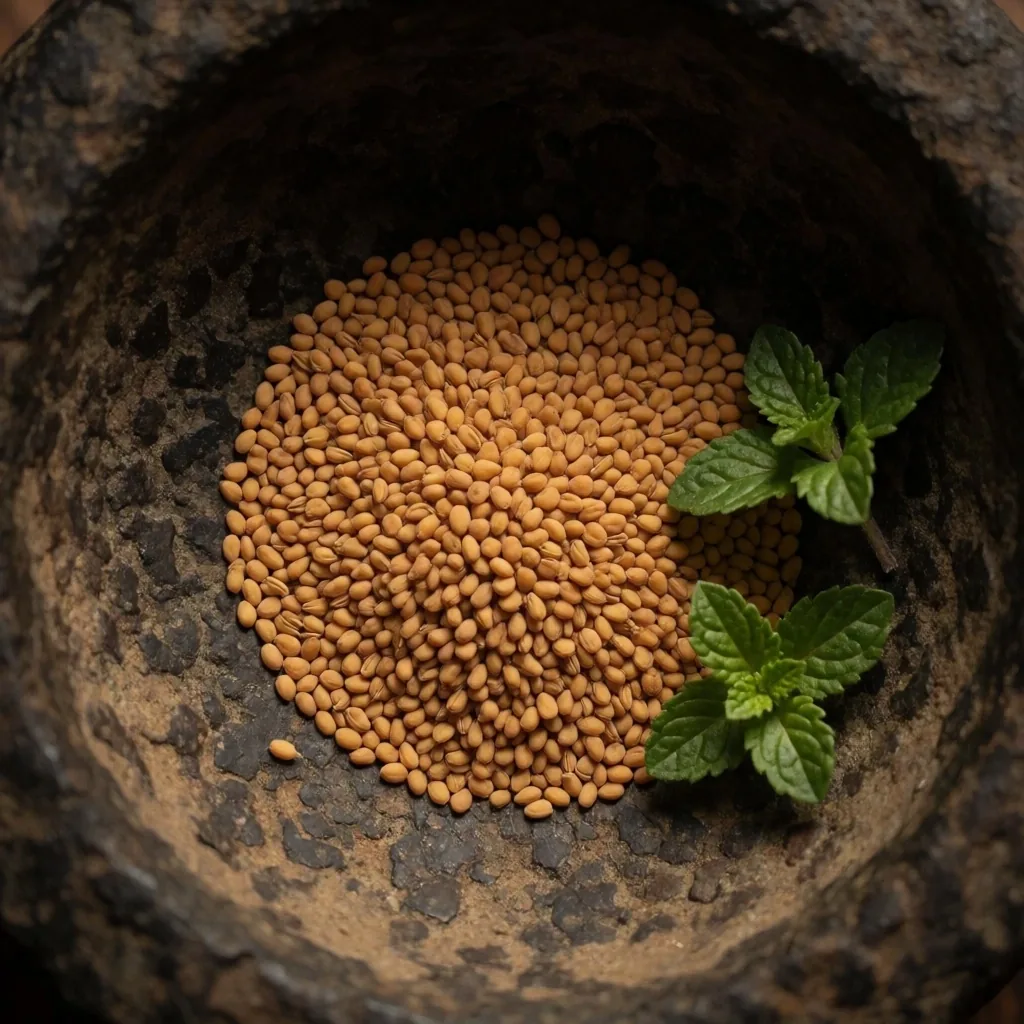
Used in Indonesian, Indian, and Middle Eastern kitchens and herbal traditions for centuries. The seeds feature in jamu-style wellness drinks in parts of Java and Sumatra.

Saw Palmetto and General Wellness
Derived from the fruit of a small fan-palm native to the southeastern United States, Saw Palmetto is frequently included in men's health formulations. The dark reddish-black berries contain fatty acids and phytosterols that have been studied for their role in supporting the body's natural balance as men age.
We focus on its role in supporting long-term wellness maintenance — a non-medical overview of why this botanical is a common choice in formulas designed for men in their forties and beyond, and what the traditional Seminole use of the plant can tell us about its sustained relevance.
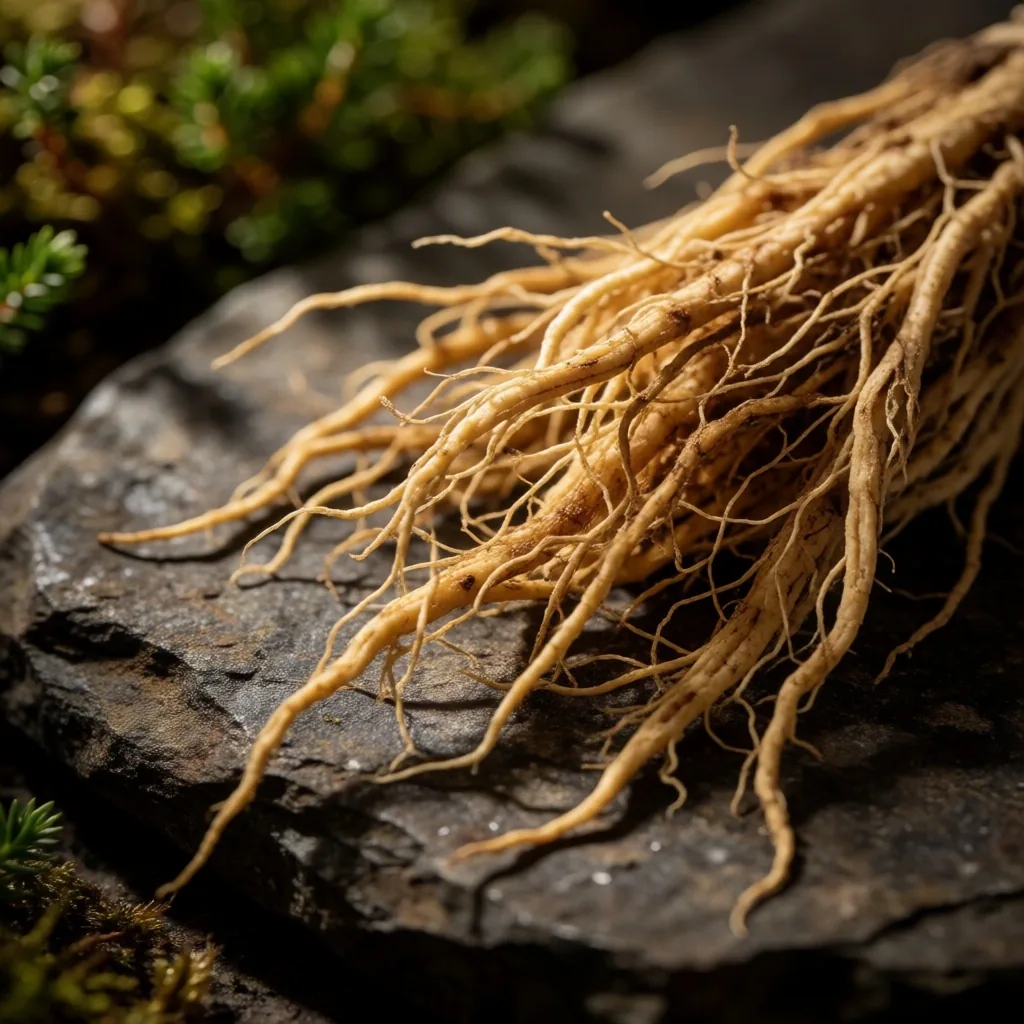
Rhodiola Rosea for Mental Fatigue
Rhodiola is an herb that grows in cold, mountainous regions — Siberia, the Scandinavian Alps, the high Himalayas — and is prized for its ability to help the body resist mental fatigue. The root contains rosavin and salidroside, compounds that have been studied for their role in supporting oxygen transport in the blood.
That support translates into better focus and physical endurance during extended work sessions. It is an ideal ingredient for those looking to improve their work-life balance — particularly men whose demanding schedules leave them mentally drained by mid-afternoon.
The Role of Bioavailability Enhancers
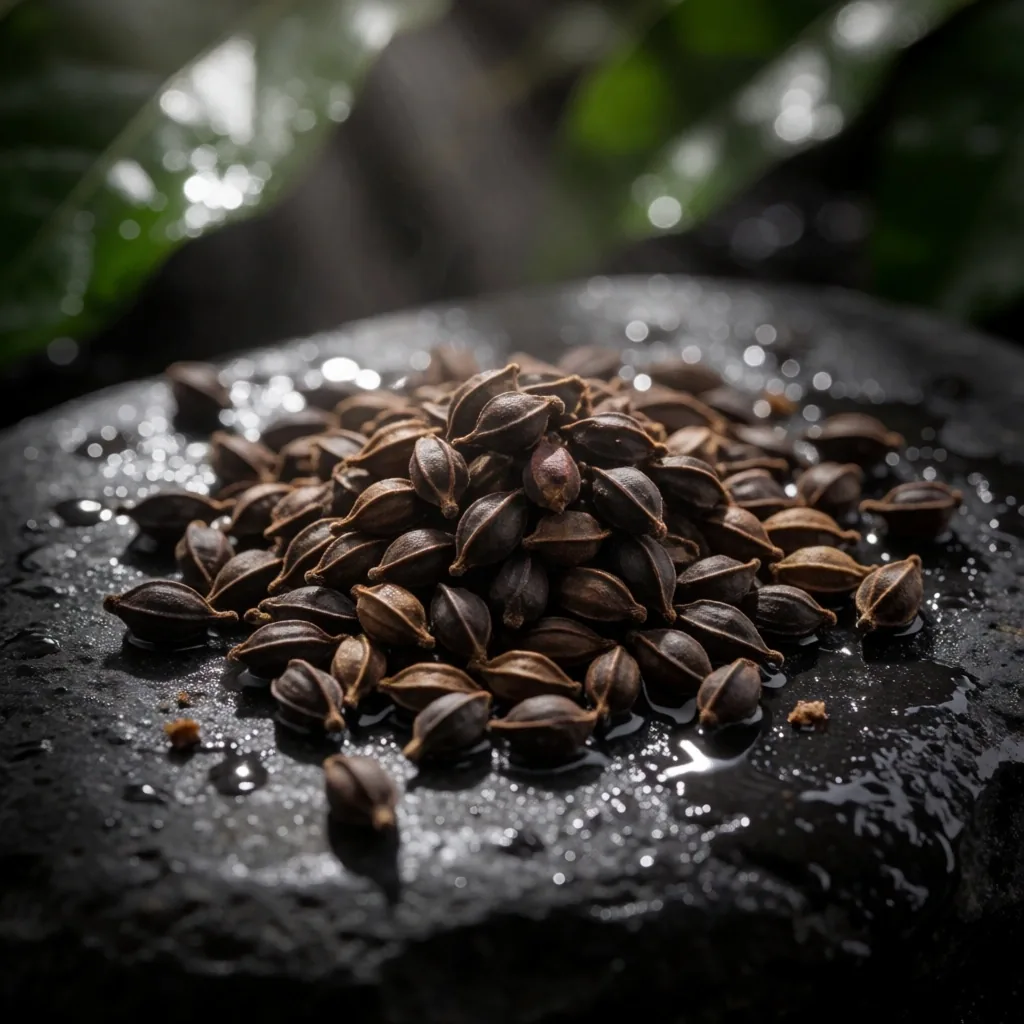
Many natural ingredients are only effective if the body can actually absorb them. A compound can be nutritionally rich on paper but functionally useless if it passes through the digestive system without being taken up into the bloodstream. This is the bioavailability problem — and it is one of the most under-discussed aspects of supplement quality.
We look at compounds like black pepper extract (piperine) that are often added to supplements to increase the absorption of other nutrients. Piperine, the alkaloid that gives black pepper its characteristic heat, has been shown to inhibit certain digestive enzymes that would otherwise break down beneficial compounds before they can be absorbed. The result is a meaningfully higher proportion of the active ingredient reaching circulation.
Understanding bioavailability is key to choosing products that actually deliver on their promises. A supplement that lists impressive doses of premium extracts but does not include absorption support may deliver far less than its label suggests — and recognizing this gap is part of being an informed reader of any supplement facts panel.
- Piperine (black pepper extract)
- Ginger root co-enzymes
- Liposomal delivery formats
- Whether absorption aids are listed
- Standardized extract percentages
- Serving size vs. active dose
Quick Reference Matrix
| Botanical | Origin | Active Compounds | Traditional Role |
|---|---|---|---|
| Ginseng | Korea, China | Ginsenosides | Stamina, cognitive focus |
| Tribulus Terrestris | South, Southeast Asia | Steroidal saponins | General vitality |
| Maca Root | Andean Peru | Glucosinolates, polyphenols | Endurance, mood balance |
| Ashwagandha | India | Withanolides | Stress adaptation, calm |
| Fenugreek | South Asia, Indonesia | Diosgenin, galactomannan | Metabolic, digestive support |
| Saw Palmetto | Southeastern USA | Fatty acids, phytosterols | Long-term balance |
| Rhodiola Rosea | Siberia, Scandinavian Alps | Rosavin, salidroside | Mental fatigue resistance |
| Piperine | Tropical Asia | Piperine alkaloid | Absorption enhancement |
What This Analysis Is — and Isn't
This page is an educational reference for understanding the botanical ingredients commonly found in men's wellness supplements. We describe origins, active compounds, and traditional contexts — not outcomes, guarantees, or clinical recommendations.
Dietary supplements are intended to supplement a varied diet and healthy lifestyle, not to replace professional guidance. If you have specific questions about whether a particular ingredient is appropriate for your circumstances, consult a qualified health professional before adding any supplement to your routine.
- Selection Methodology → How we evaluate and compare supplements
- Essential Nutrients Guide → Core vitamins and minerals for men
- Common Questions → Answers to frequent questions about our content
- Contact Us → Reach our editorial team in Jakarta